How to Invest in Renewable Energy: A Guide for Vietnam’s Forward-Thinking Businesses
How investing in Renewable Energy is becoming a crucial trend for pioneering businesses in Vietnam but still faces many challenges, especially in terms of financing. This article will provide an overview of effective investment methods in renewable energy, helping Vietnamese businesses seize opportunities and overcome barriers in this potential-filled sector.
Current State of Renewable Energy in Vietnam
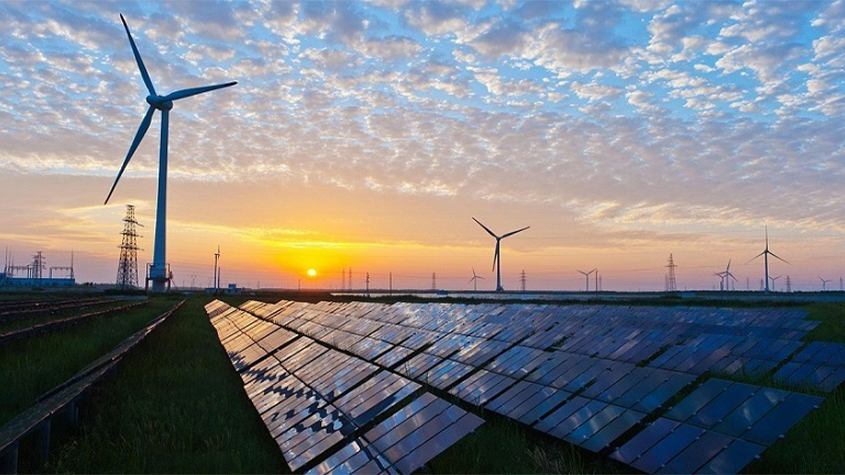
Vietnam’s renewable energy landscape is experiencing explosive growth, driven by forward-thinking policies and abundant natural resources. Solar and wind power are leading this green revolution, with investment and installation rates soaring to unprecedented levels.
As of 2021, renewables constituted an impressive 56% of Vietnam’s power grid. The country’s sustainable energy capacity expanded significantly, reaching 39 GW in 2020. Hydro and marine energy dominate, comprising 51% of total capacity, closely followed by solar at 39%. Wind energy demonstrated remarkable potential, growing 6.5 times from 2020 to 2021. Vietnam’s rapid economic growth, averaging 6.3% annually in the 2010s despite global challenges, has fueled surging energy demand. Vietnam Electricity (EVN) reported consumption rising from 128.6 TWh in 2014 to 209.4 TWh in 2019. With energy demand expanding over 11% yearly, outpacing GDP growth, substantial investments are crucial.
The government has set ambitious targets, aiming for renewables to play a significant role in national power production. The draft Power Development Planning (PDP) 8 projects solar and wind capacities to reach 18.6 GW and 18.0 GW respectively 2030, up from 16.6 GW and 0.6 GW in 2020. At COP26 in 2021, Vietnam announced bold net-zero targets, including a 43.5% emissions reduction in 2030. The revised Master Power Development Plan VIII (PDP8) aims for renewable sources to deliver 31.5% of electricity produced in 2030 and 36.3% in 2045. EVN reported that wind and solar energy accounted for 27% of Vietnam’s 76,620 MW power generation capacity at the end of 2021.
However, challenges remain. Thermal coal-fired power plants will still contribute significantly, generating 30% of the supply in 2030. McKinsey & Company warns that without technological advancements, emissions could quadruple in 2050 if industries continue growing at the current rate.
Despite these hurdles, Vietnam’s commitment to renewable energy is clear. In 2022, the country ranked among the world’s top ten solar energy producers, signaling its growing influence in the global renewable energy market.
Why Should Vietnam’s Enterprises Invest in Renewable Energy?
As Vietnam continues to develop rapidly, the shift towards renewable energy presents a wealth of opportunities for forward-thinking businesses. Here are four compelling reasons why Vietnamese companies should consider investing in this burgeoning sector:
1. Ethical impact
Investing in renewable energy allows Vietnamese businesses to make a significant ethical impact and contribute to a greener future. With climate change being a global hot-button issue, switching to clean energy significantly reduces carbon emissions. Plus, it boosts brand reputation, attracting environmentally conscious customers and partners. It’s a win-win for your business and the planet.
2. Tech revolution
Secondly, renewable energy is at the forefront of technological innovation. From high-efficiency solar panels to cutting-edge energy storage solutions, this field is constantly leaping forward. Vietnamese businesses that invest early get a front-row seat to the latest tech, potentially giving them a competitive edge in the future.
3. Governmental support
The Vietnamese government is throwing its full weight behind renewable energy, creating a golden opportunity for investment. Vietnam has set an ambitious target of sourcing 70% of its electricity consumption from sustainable sources by 2050 at the UNFCCC, in line with its commitment to carbon neutrality. To achieve this, the government has rolled out a series of enticing incentives. For instance, corporations investing in renewable energy projects can enjoy a preferential Corporate Income Tax (CIT) rate of just 10% for 15 years, compared to the standard 20%. This rate can even be extended up to 30 years in special cases.
Additionally, businesses can benefit from import tax exemptions on materials for renewable energy infrastructure, and land rent exemptions ranging from 3 to 15 years, depending on the project location. With such robust governmental backing, the renewable energy sector in Vietnam is primed for explosive growth, offering businesses a chance to align with national priorities while potentially reaping significant long-term benefits.
4. Economic boost
Lastly, investing in renewable energy can provide a significant economic boost for Vietnamese businesses and communities. The sector creates numerous job opportunities, particularly in rural areas where many renewable energy projects are located. Additionally, increased reliance on locally produced clean energy reduces dependence on fuel imports, strengthening energy security and potentially stabilizing energy costs for businesses in the long run.
Types of Renewable Energy Sources in Vietnam
1. Solar Power
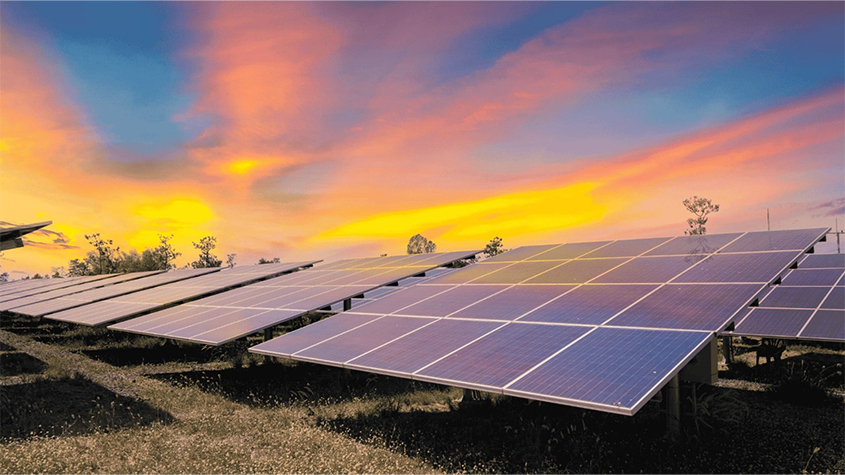
Vietnam boasts immense potential for solar energy development in Southeast Asia. With over 2,500 hours of annual sunshine, the country could achieve 85 GW of solar capacity by 2030 and a staggering 214 GW by 2050, according to World Bank projections. The central and southern regions, blessed with abundant sunshine, are prime locations for solar projects. Vietnam’s vast tracts of vacant land provide ideal conditions for constructing solar power plants. Government incentives further bolster the attractiveness of investing in this rapidly growing sector.
2. Hydropower
Steep mountainous terrain, numerous rivers, and plentiful rainfall create optimal conditions for hydropower development in Vietnam. Hydropower is Vietnam’s largest renewable energy source, boasting an installed capacity exceeding 23 GW as of November 2023. This accounts for over 40% of the country’s total power capacity. Notable installations include the Hoa Binh, Son La, Lai Chau, and Yaly power plants. Beyond clean energy production, hydroelectric projects play crucial roles in flood and drought regulation while fostering tourism development in various regions.

3. Wind Power
Vietnam’s 3,200 km coastline and windy coastal areas present significant opportunities for wind power development. The wind power industry has experienced remarkable growth, with total installed capacity surpassing 7 GW as of November 2023—a tenfold increase from 2020. Several large-scale offshore wind projects are currently under development, including the 4 GW La Gan project, the 3.5 GW Mui Dinh project, and the 2 GW Thang Long project.
Despite this progress, Vietnam’s wind potential remains largely untapped. While government policies support wind energy expansion, challenges such as high investment costs and the need for technical expertise persist. These initiatives and challenges underscore the evolving importance of wind power in Vietnam’s renewable energy landscape.

4. Biomass Energy
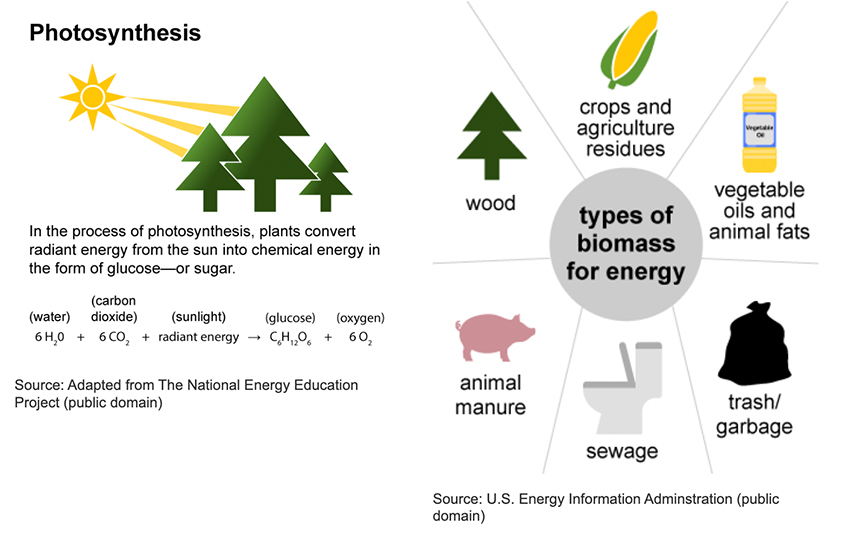
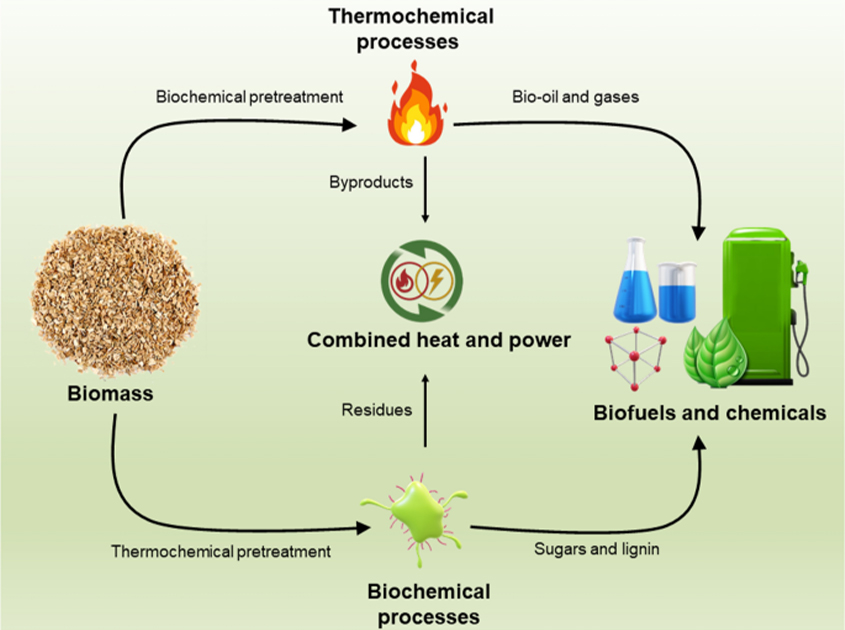
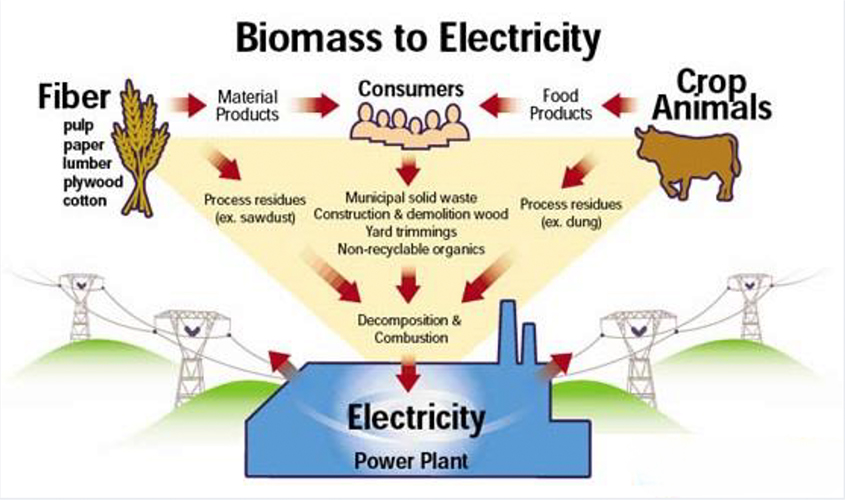
Vietnam’s thriving agricultural sector provides ample organic waste for biomass energy production. This renewable source offers dual benefits: effective waste management and power generation. Facilities across the country convert crop residues like rice husks and bagasse into valuable energy sources. Biomass energy not only contributes to electricity production but also supports rural development and aids in reducing greenhouse gas emissions, aligning with global environmental objectives.

Is Renewable Energy a Good Investment?
Vietnam’s long coastline and Mekong Delta location render Vietnam highly susceptible to climate change impacts, despite a mere 0.8% contribution to global greenhouse gas emissions. Severe flooding risks and increasing typhoon exposure threaten Vietnamese livelihoods, infrastructure, and food security. Recognizing these challenges, Vietnam has expanded its climate commitments. At COP28 in December 2023, the country joined the “Global Cooling Pledge,” aiming to reduce greenhouse gas emissions from the cooling industry by at least 68% come 2050.
Achieving these ambitious goals demands substantial investment in renewable energy and innovative technologies harnessing carbon-neutral power sources. Without continued financial backing, reaching these targets remains challenging.
Renewable energy plays a crucial role in Vietnam’s future development. Far from a passing trend, renewable energy forms a critical component of Vietnam’s sustainable growth strategy. While investors still view renewables as a niche sector, compelling opportunities abound.
No investment comes without risk, yet energy’s future must prioritize sustainability. This reality positions renewable energy as both a savvy and ethical investment choice for forward-thinking Vietnamese businesses. As Vietnam strives to meet climate commitments and secure energy needs, investing in renewable technologies offers potential financial returns while bolstering Vietnam’s climate change resilience.
How to Invest in Renewable Energy?
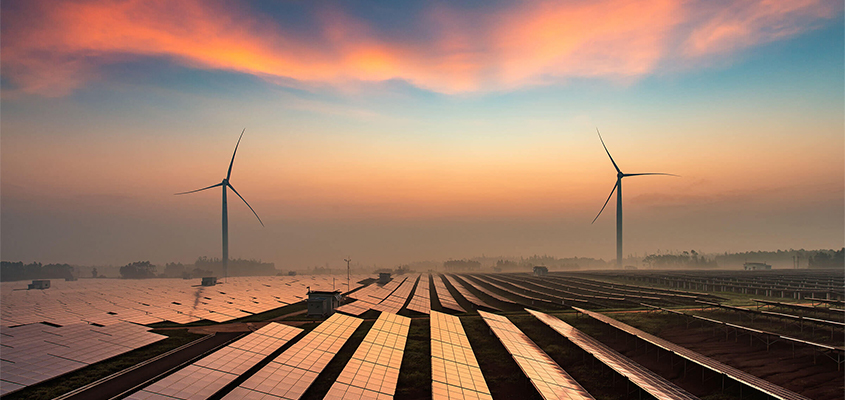
Investing in renewable energy presents numerous opportunities for forward-thinking Vietnamese businesses. The simplest approach is purchasing stocks in listed renewable energy companies. However, many promising enterprises in this sector are not yet publicly traded, requiring substantial capital for participation. A suitable option for individual investors is renewable energy funds, which provide access to high-value investments and support green energy development. These funds are typically professionally managed, optimizing profit potential.
Businesses can also consider direct investment in renewable energy projects, such as installing solar energy systems for production facilities or participating in wind energy development projects. Thorough research and consultation with industry experts are essential for making appropriate investment decisions, while considering factors such as risk, expected returns, and environmental impact. Companies might explore partnerships with established renewable energy firms or invest in research and development of innovative clean technologies. Additionally, implementing energy-efficient practices within their own operations can serve as a form of indirect investment, reducing long-term costs and demonstrating commitment to sustainability.
If you have any questions about Renewable Energy or energy monitoring and saving solutions of Vinergy, don’t hesitate to contact us today!