
Jun 30, 2026 | Energy Management
Vietnam has become one of Southeast Asia’s most important manufacturing hubs. Energy monitoring in Vietnam factories is increasingly tied to a decision most businesses make months earlier: how they source their equipment. Companies sourcing machinery and production lines rarely think about energy at the same time. But these two concerns connect more closely than most operators realize.
The Hidden Cost of Sourcing Without an Energy Plan
When foreign businesses set up manufacturing operations in Vietnam, sourcing dominates the early conversation. Teams select machinery, negotiate with suppliers, and get equipment installed. These are the visible milestones. They show up in project timelines and budget reviews.
Energy consumption, by contrast, often becomes an afterthought. The first few utility bills arrive, and someone asks why operating costs run higher than projected. By that point, the equipment is already installed. The layout no longer bends to new ideas. The easy opportunities to design for efficiency are gone.
This is a missed opportunity. The machinery decisions made during sourcing directly determine how much energy a factory will consume for the rest of its operating life. What equipment to buy, how to configure production lines, which suppliers to use — all of it shapes long-term energy costs. Addressing energy monitoring at the sourcing stage, rather than after the fact, can mean the difference between a factory that’s efficient by design and one that’s playing catch-up for years.
What Energy Monitoring in Vietnam Factories Actually Solves
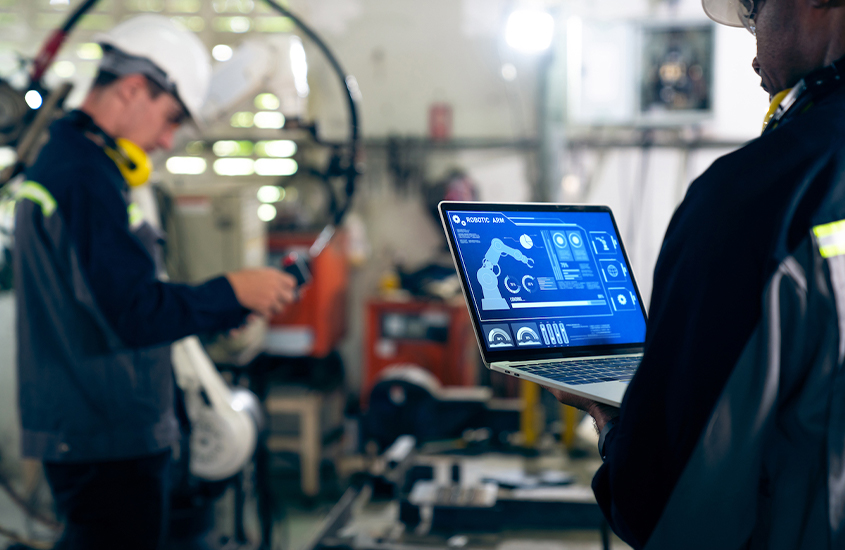
At Vinergy, we give manufacturers across Vietnam visibility into exactly where and how energy is being consumed on their production floor. We track individual machines and production lines, not just the building as a whole. You can learn more about our Energy Monitoring platform here.
This matters because most facilities, even well-run ones, have no granular sense of their energy profile. They know the total bill, but not the details. One production line might consume 30% more power than an equivalent line. A piece of equipment might draw power overnight when it should sit idle. A compressor might run inefficiently because of a maintenance issue nobody’s caught yet.
IoT-based monitoring systems close that gap. Real-time data on consumption patterns lets operations teams identify waste. It helps them catch equipment issues before those issues become expensive failures. It lets them make informed decisions about where efficiency investments will actually pay off, instead of guessing.
Energy costs and grid reliability often differ from what foreign teams manage back home. For businesses operating in Vietnam, this kind of visibility isn’t a luxury. It’s operational risk management.
Where Sourcing Decisions and Energy Outcomes Intersect

This is where sourcing connects back to energy outcomes. The choices teams make when selecting and procuring equipment carry energy consequences down the road. Addressing those consequences before installation costs far less than fixing them after.
A few examples we see regularly:
- Equipment age and efficiency class. Older or lower-spec machinery often carries a lower price tag upfront, but it can cost significantly more in energy over its operating life. Factor efficiency ratings into your sourcing process alongside price, and you often land a better total cost of ownership — even when the upfront number runs higher.
- Production line layout. How a team sequences and connects equipment affects more than throughput. It shapes energy load patterns too — peak demand spikes, idle-time consumption, and how easily the line can be monitored and optimized later.
- Supplier and equipment documentation. Sourcing partners who provide detailed specs on power draw and operating parameters make accurate monitoring far easier to set up from day one. Without that documentation, teams end up reverse-engineering a facility’s energy baseline after the fact.
- This is exactly where a sourcing partner with strong operational visibility in Vietnam makes a measurable difference. Companies like Saigon Sourcing specialize in general product sourcing and manufacturing support for foreign businesses establishing operations in Vietnam. They’re often involved precisely at the stage where equipment and supplier decisions get made. Building energy considerations into that conversation early — rather than treating sourcing and energy management as separate workstreams — remains one of the more underused levers available to manufacturers setting up here.
Practical Recommendations for Teams Setting Up Operations
If you’re sourcing equipment or planning a factory setup in Vietnam, do these things before finalizing equipment:
- Ask for energy specs upfront. Request power consumption data and efficiency ratings as a standard part of supplier evaluation, not an afterthought.
- Plan for monitoring from the start. A basic energy monitoring layer installed alongside new equipment costs far less than retrofitting one later.
- Loop in operations and energy planning early. If different teams or partners handle sourcing and facility operations, make sure they talk to each other before finalizing equipment orders.
- Benchmark against comparable facilities. Understanding what “normal” energy consumption looks like for your equipment type and production volume gives you a baseline to catch problems early.
The Bigger Picture
Vietnam’s manufacturing sector continues to attract foreign investment for good reason: it offers a strong combination of cost, capability, and access to regional supply chains. But the businesses that get the most out of that opportunity treat factory setup as one connected process. Sourcing, installation, and ongoing energy management work together, rather than functioning as disconnected steps handled by whoever happens to own each stage.
Whether you’re still evaluating sourcing partners or already operating and looking for better visibility into your energy consumption, connecting these two pieces early gives you more options. You’ll build a genuinely efficient operation from the ground up.
Jul 7, 2024 | Energy Management
In Vietnam’s rapidly evolving business landscape, energy management is crucial for sustainable growth. However, many business owners often confuse two vital concepts: energy conservation and energy efficiency. Understanding what is the difference between energy conservation and energy efficiency is essential for implementing effective strategies in their businesses. Let’s explore these concepts in detail below!
What is Energy Conservation?
1. Definition
Energy conservation is the process of reducing the total amount of energy used by individuals, residential properties, businesses, or organizations. It involves making conscious efforts to use less energy and find alternatives to practices with high energy demands. The goal is to use energy more resourcefully and efficiently, minimizing waste without significantly impacting quality of life or productivity.
This concept encompasses a wide range of actions, from large-scale investments to small daily habits. On a broader scale, it can involve investing in renewable energy sources such as solar or wind power. On a more personal level, it includes simple actions like turning off lights in unoccupied rooms, using energy-efficient appliances, or adjusting thermostat settings. Energy conservation plays a crucial role in safeguarding our environment by minimizing the excessive consumption of fossil fuels, which daily contribute to substantial amounts of harmful carbon emissions. Moreover, it offers financial benefits by lowering energy expenses.
2. Benefits
Energy Conservation offers the following outstanding benefits:
- Immediate Cost Savings: Energy conservation measures typically require minimal investment and can be implemented quickly. As a result, users often see reduced electricity bills in the first month of application. The approach proves especially beneficial for businesses and households seeking rapid cost reductions.
- Easy Implementation: Energy conservation focuses on changing usage habits, without requiring in-depth technical knowledge. Measures such as turning off lights when not in use or adjusting air conditioning temperatures appropriately can be applied to anyone. Energy conservation has become an easily accessible and implementable option for all demographics.
- Raised Awareness: When implementing energy conservation measures, people become more conscious of their daily energy usage. A culture of energy saving develops within organizations and communities. Over time, increased awareness can lead to long-term behavioral changes and habits, bringing sustainable benefits.
- Flexibility: Energy conservation measures can be applied, adjusted, or stopped quickly according to needs. For example, during peak electricity usage seasons, more intensive saving measures can be implemented. Such flexibility allows users to react swiftly to changes in electricity prices or operating conditions.
- Reduced Grid Load: Energy conservation measures help alleviate pressure on the electrical system, especially during peak hours. The approach can help prevent overloads and power outages. For electricity providers, reducing peak demand can decrease the need for new power plant construction, saving costs and reducing environmental impact.
- Direct Environmental Protection: Through the immediate reduction of electricity consumption, energy conservation directly decreases emissions from electricity production. The effect positively impacts the environment instantly. Each kilowatt-hour saved equates to a significant reduction in carbon dioxide emissions, contributing to global climate change mitigation efforts.
- Suitable for All Scales: Energy conservation can be applied at all scales, from households to large businesses. Simple measures like turning off unused lights can be implemented by anyone. For larger organizations, energy conservation campaigns can be deployed company-wide, creating a significant impact. The versatility makes energy conservation a popular and accessible strategy for all entities.
What is Energy Efficiency?
1. Definition
Energy efficiency refers to the optimization of technologies, systems, and processes to achieve the same or better results while consuming less energy. It’s about enhancing the productivity of energy use, ensuring that we can accomplish more with fewer energy inputs. This concept focuses on refining and improving our methods of energy utilization, rather than simply reducing overall energy consumption.
Energy efficiency encompasses a wide range of technologies and practices, from using high-efficiency LED lighting that produces the same amount of light with less electricity, to installing smart thermostats that optimize heating and cooling systems. It also includes larger-scale initiatives like designing energy-efficient buildings or developing more fuel-efficient vehicles.

2. Benefits
Energy Efficiency provides the following significant benefits:
- Long-term Cost Savings: Energy efficiency measures can lead to substantial cost savings for individuals, businesses, and industries. Initial investments in energy-efficient technologies may be required; however, these often yield long-term savings through reduced energy bills. On a larger scale, enhanced energy efficiency boosts economic productivity and competitiveness via lower operational costs for businesses.
- Improved Performance and Productivity: Energy-efficient equipment and systems often perform better than their less efficient counterparts. For businesses, this can translate to increased productivity, better product quality, and improved operational efficiency.
- Enhanced Comfort: In buildings, energy-efficient systems like modern HVAC and lighting can provide better temperature control, air quality, and illumination. Occupants often experience more consistent temperatures, better air circulation, and lighting that reduces eye strain. These improvements can lead to increased comfort, potentially boosting productivity in workplaces and overall satisfaction in residential settings.
- Environmental Benefits: Improved energy efficiency results in decreased greenhouse gas emissions and other pollutants associated with energy production. Such reductions contribute to the fight against climate change and help improve air quality. The lower demand for energy generation also supports the conservation of natural resources.
- Technological Innovation: The pursuit of energy efficiency drives technological advancements and innovation. These efforts spark the development of new industries and create job opportunities in fields related to energy-efficient technologies and services.
- Compliance with Regulations: As governments worldwide implement stricter energy efficiency standards, adopting efficient technologies helps businesses stay ahead of regulatory requirements. It also positions companies favorably in industries where environmental compliance is increasingly scrutinized.
- Increased Property Value: Buildings and homes equipped with energy-efficient systems often command higher property values in the real estate market. These properties are more attractive to buyers or tenants due to lower operating costs and improved comfort. Energy efficiency certifications can serve as a selling point, potentially leading to faster sales or rentals at premium prices.
What is the Difference between Energy Conservation and Energy Efficiency?
1. Similarities
Energy conservation and energy efficiency are two interconnected strategies in sustainable energy management, sharing several key similarities:
- Both approaches aim to reduce energy use, resulting in reduced costs for businesses, and helping to preserve valuable resources.
- These practices contribute to grid stability by lowering overall energy demand, while also aligning with global efforts to combat climate change and promote sustainable development.
2. Differences
| Aspect |
Energy Conservation |
Energy Efficiency |
| Definition |
The practice of reducing or eliminating energy use |
The practice of using energy more effectively to achieve the same or better results |
| Focus |
Primarily on changing human behavior and habits |
Primarily on improving technology and design of systems or devices |
| Action |
Using less energy overall, often by foregoing or reducing certain activities |
Getting more output or performance from the same amount of energy input |
| Implementation |
Often involves simple changes that can be immediately adopted |
Usually requires planning, investment, and sometimes professional installation |
| Examples |
Turning off lights when not in use, adjusting thermostat settings |
Installing LED bulbs, upgrading to energy-efficient appliances |
| Initial cost |
Usually low or no cost to implement |
May require significant upfront investment, but often leads to long-term savings |
| Measurability |
Can be harder to quantify precisely, often measured in the overall reduction |
Easier to measure specific improvements in energy use per unit of output |
| Flexibility |
Can be quickly adjusted based on immediate needs or circumstances |
Less flexible once implemented, but provides consistent benefits |
Should Businesses Choose Energy Conservation or Energy Efficiency?
In the pursuit of optimal energy management, businesses should consider energy conservation and energy efficiency as complementary strategies rather than mutually exclusive options.
A strategic combination of both approaches often yields superior results. Energy conservation focuses on reducing overall energy use through behavioral changes, offering immediate, low-cost solutions. The approach swiftly cultivates a culture of energy awareness within an organization. Conversely, energy efficiency emphasizes technological improvements to extract more output from the same energy input, providing long-term, sustainable benefits, albeit often with higher initial costs. To effectively implement these strategies, many businesses are turning to advanced energy monitoring and saving solutions. At Vinergy, we provide a comprehensive solution that includes real-time energy monitoring, automation features, and data-driven insights. With our solutions, businesses can monitor, manage, and optimize energy usage centrally, leading to significant cost reductions and environmental benefits.
Implementing both strategies allows businesses to reap short-term savings from conservation efforts while investing in long-term efficiency improvements. Such a balanced approach enables companies to address energy use comprehensively, tackling both human and technological aspects of energy consumption. For example, a business might begin encouraging employees to turn off lights and equipment when not in use (conservation), while concurrently planning upgrades to LED lighting and energy-efficient HVAC systems (efficiency). Just because you installed an LED in the light fixture on your front porch doesn’t mean you should leave it on 24/7.
Ultimately, the decision between energy conservation and energy efficiency isn’t an either-or proposition. Businesses embracing both approaches position themselves to achieve significant energy savings, reduce their environmental impact, and potentially gain a competitive edge in an increasingly sustainability-focused market. The key to success lies in developing a comprehensive energy management plan that harnesses the strengths of both conservation and efficiency strategies.

May 15, 2024 | Energy Management
Are you struggling to keep your business’s energy costs under control? As energy prices continue to soar, monitoring and managing your organization’s energy consumption has become more crucial than ever. Failing to address inefficiencies can lead to skyrocketing utility bills, decreased profitability, and a larger carbon footprint. So why is energy monitoring important for Vietnam’s business? It’s the key to unlocking sustainable cost savings and environmental responsibility for businesses of all sizes.
What is Energy Monitoring?
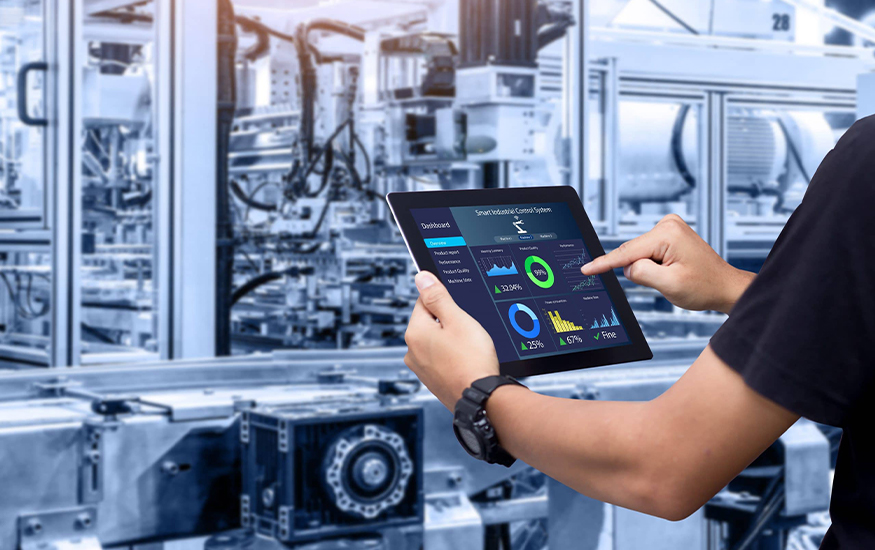
Energy monitoring is the process of tracking and analyzing a facility’s energy usage over time. It involves collecting real-time data from various sources such as utility meters, sub-meters and a variety of sensors to provide detailed insights into energy consumption patterns. This data can be visualized through dashboards and reports, enabling businesses to identify areas of inefficiency, monitor trends, and make informed decisions about energy management.
Why is Energy Monitoring important?
Energy monitoring is crucial for businesses for several reasons:
1. Cost Savings
One of the primary benefits of energy monitoring is the potential for significant cost savings. As per the Carbon Trust, a 20% reduction in energy costs can yield equivalent bottom-line benefits to a 5% increase in sales for numerous businesses, underscoring the significance of monitoring energy usage. Additionally, data from the U.S. Department of Energy suggests that implementing energy-efficient practices can reduce energy costs by up to 30% for commercial buildings. Establishing an energy monitoring system proves invaluable in detecting any avoidable expenditures.
Energy monitoring systems enable informed decision-making regarding equipment upgrades and the optimization of heating and cooling systems to enhance building efficiency. Through continuous energy monitoring usage and the establishment of consumption targets, data from these systems empowers organizations to make data-driven choices, ultimately leading to reduced energy expenses and improved financial outcomes.

2. Real-Time Energy Data
According to a report by the U.S. Department of Energy, real-time energy monitoring can lead to improvements in equipment reliability, reducing maintenance costs and downtime.
With real-time energy data at your disposal, businesses gain the ability to identify patterns of abnormal consumption. A real-time alert can be configured to enable immediate action, as opposed to discovering the issue the next day after the heating or lighting had been left on overnight, wasting money and energy unnecessarily. Moreover, energy monitoring can also detect and flag water leaks, which, according to data from Ofwat, if left undetected, could result in a significant financial burden for businesses.
3. Environmental Responsibility
Beyond reducing expenses, energy monitoring systems also aid environmental initiatives and lessen the ecological footprint of buildings. According to the International Energy Agency (IEA), global energy-related CO2 emissions reached a record high of 33.5 gigatons in 2021, with buildings accounting for around 28% of these emissions. Moreover, a study by the American Council for an Energy-Efficient Economy (ACEEE) found that energy monitoring and management in commercial buildings can reduce greenhouse gas emissions by up to 30%.
Businesses can dramatically decrease their carbon emissions by pinpointing areas of energy waste and enacting efficiency measures. This not only aligns with ESG objectives, but also enhances the business’s public reputation and brand perception. Energy monitoring platforms supply vital data to quantify and report enhancements in energy efficiency, allowing organizations to demonstrate their dedication to environmental sustainability. Through tracking energy use and uncovering opportunities for progress, companies can take concrete action toward a more eco-friendly future.
4. Regulatory Compliance
In the U.S., the Energy Policy Act of 2005 requires federal buildings to implement energy monitoring and management practices. The European Union’s Energy Efficiency Directive (EED) mandates that large companies conduct energy audits at least every four years and report their energy consumption data. Energy monitoring helps businesses comply with these requirements and avoid costly penalties.
How can businesses improve energy efficiency?
Becoming energy efficient is an increasingly pressing matter, as energy prices in 2025 are expected to be much higher than they are currently (Direct Business Solutions, 2024), and with the government introducing carbon reduction goals, many companies are feeling the urgency to swiftly enhance their energy efficiency. According to a report by Eco Monitor, the latest Business Energy Index (nBEI) revealed that nearly a quarter of businesses globally were unaware if they had reduced their energy consumption over the past 12 months, highlighting the lack of proper energy monitoring practices in place.
Here are some suggestions we have for improving the energy efficiency of your business:
1. Energy Monitoring
The initial step towards enhancing energy efficiency is the implementation of an energy monitoring solution. After all, it’s challenging to address issues that remain invisible. A robust monitoring system provides comprehensive insights into your current operations and allows you to benchmark your energy consumption. This serves as a valuable tool for identifying areas with the most significant potential for efficiency gains. By deploying monitoring technology, you can pinpoint various inefficiencies, such as unnecessary lighting usage even in well-lit environments. This not only facilitates cost savings but also contributes to a more sustainable and environmentally conscious operation.
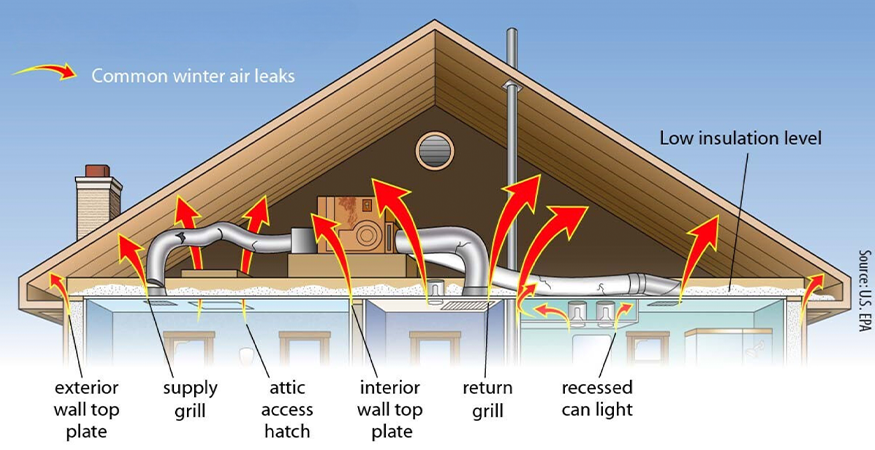
2. Insulation and Air Sealing
Heating and cooling systems are major energy consumers, so making your building as airtight and well-insulated as possible is crucial to reduce this demand.
- Invest in high-performance insulation materials and ensure proper installation in walls, ceilings, attics, and crawl spaces to minimize heat transfer.
- Identify and seal air leaks around windows, doors, electrical outlets, and other openings using caulk, weather stripping, or expanding foam sealants, as air leaks can account for significant energy losses.
- Replace old, single-pane windows and doors with energy-efficient, double or triple-glazed units, as statistics show up to 71% of heat can enter and 48% of heating can escape through poorly insulated windows.
- Consider advanced wall systems like insulated concrete forms (ICFs) or structural insulated panels (SIPs), which offer superior insulation and airtightness compared to traditional construction methods.
3. Equipment Upgrades
Replace aging or inefficient equipment with energy-efficient alternatives:
- LED Lighting: LED bulbs consume up to 90% less energy than incandescent bulbs and have a longer lifespan, reducing maintenance costs.
- High-Efficiency HVAC: Upgrade to Energy Star certified HVAC systems with features like variable speed drives, advanced controls, and improved insulation for optimal efficiency.
- Smart Controls: Implement smart controls and automation for lighting, HVAC, and other systems to optimize operations based on occupancy, schedules, and real-time conditions.
- Other manufacturing equipments
4. Leverage Smart Energy Solutions
After you have made adjustments to your building to make it as energy efficient as possible, you can integrate advanced technologies such as an energy monitoring and control platform to further enhance efficiency and savings. At Vinergy, we offer real-time energy monitoring, automation capabilities and actionable insights to optimize energy usage, reduce waste and achieve substantial cost savings. With our solutions, businesses can easily track, control, and optimize their energy consumption from a single platform, unlocking sustainable cost savings and environmental benefits.
To learn more about Vinergy’s innovative offerings and how we can take your company to the next level in saving energy, get in touch with us for a consultation.
