Jun 23, 2024 | Energy Efficiency
Vietnam’s manufacturing boom has led to soaring energy demands, causing environmental strain. Enhancing energy efficiency in manufacturing has become crucial to reduce costs, boost productivity, increase competitiveness, and minimize the environmental impact. Explore the importance of energy efficiency in manufacturing in detail through the blog below!
Energy – The Key Determinant of Manufacturing Success
Energy fuels every facet of manufacturing operations, acting as the indispensable driving force behind machines, processes, and systems transforming raw materials into finished goods. Reliable and affordable energy access determines factories’ production efficiency, product quality standards, and overall competitiveness. In our modern energy-intensive industrial landscape, businesses prioritizing energy efficiency enjoy significant competitive advantages.
According to the International Energy Agency (IEA), energy efficiency measures could provide over 40% of the emissions reductions required to reach global climate goals by 2040. Optimizing energy consumption allows manufacturers to curb operational costs, it also minimizes their carbon footprint and ensures sustainable growth trajectories resilient to ever-evolving market pressures.
Conversely, inefficient practices burden companies with soaring overhead expenses, increased greenhouse gas emissions (the industrial sector accounted for 24.2% of global emissions in 2019 as per the EPA), and diminished adaptability. Energy efficiency transcends environmental stewardship; it constitutes a strategic cornerstone determining long-term manufacturing success and profitability.
Vietnam Facing an ‘Energy Thirst’ in Manufacturing
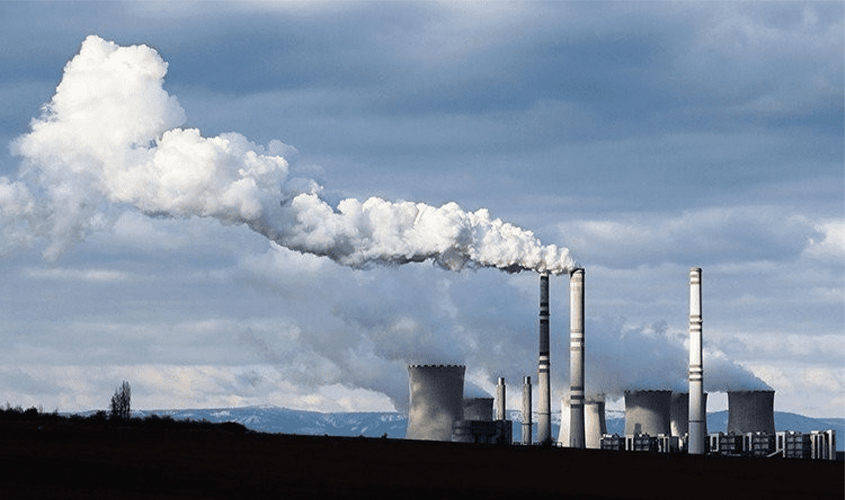
Vietnam’s rapidly growing manufacturing sector is facing an increasing demand for energy, fueled by the country’s economic growth and industrialization efforts. According to a report by the Vietnam Energy Partnership Group (VEPG), the manufacturing industry accounted for nearly 47% of the country’s total energy consumption in 2021.
The surge in energy demand is driven by several factors, including the expansion of existing industries and the establishment of new manufacturing facilities, particularly in sectors like electronics, textiles, and automotive. Vietnam’s energy consumption in the manufacturing sector has been growing at an annual rate of around 8% over the past decade, according to the Vietnam Energy Outlook Report 2021.
This rapid growth in energy consumption poses significant challenges for Vietnam in terms of energy security, affordability, and environmental sustainability. To address this “energy thirst,” the Vietnamese government has been promoting energy efficiency initiatives and investing in renewable energy sources. Prime Minister Pham Minh Chinh has issued a directive to save electricity in 2023 – 2025 and subsequent years, aiming to curtail the country’s overall energy consumption by 8 – 10 percent and reduce power transmission losses to 6 percent by the year 2023.
Moreover, the project “Promoting energy saving in industries in Vietnam” is implemented to encourage the judicious and efficient utilization of energy resources within the industrial sector of Vietnam. Concurrently, it endeavors to make a meaningful contribution towards attaining the nation’s overarching goals for energy conservation. Enhancing energy efficiency in manufacturing processes and adopting clean energy technologies are crucial steps for Vietnam to achieve its targets of reducing greenhouse gas emissions and transitioning towards a low-carbon economy.
The Importance of Energy Efficiency in Manufacturing in Vietnam
The importance of enhancing energy efficiency cannot be understated. Data from the International Energy Agency highlights that measures to boost energy efficiency could account for a staggering 47% of the potential reductions in carbon dioxide emissions related to energy use by the year 2030. Energy efficiency is crucial in manufacturing for several reasons:
1. Reducing operational costs
Implementing energy-saving technologies and equipment will enable businesses to significantly reduce input costs for their manufacturing processes. For instance, replacing outdated equipment and motors with newer, more efficient models will help consume less energy while still achieving equivalent output capacity.
Additionally, improving heating, ventilation, and air conditioning systems also contributes substantially to conserving energy consumption. Furthermore, optimizing production processes by eliminating unnecessary steps is also an effective measure to reduce energy input requirements.
2. Increasing productivity
Efficient energy utilization facilitates seamless operation of production lines without interruptions caused by energy shortages. This continuous flow translates into heightened output and elevated labor productivity for the company. Furthermore, automation and digital technologies streamline processes, optimizing energy utilization and amplifying productivity levels. When implemented effectively, the goal is for performance enhancements to drive productivity gains, ultimately eliminating unnecessary expenditures.
3. Enhancing competitiveness and attracting investment
Globally, investors and supply chains are increasingly favoring partnerships with enterprises that adhere to sustainable development principles. Moreover, it is necessary to meet the UN’s CO2 emission reduction targets, avoiding financial penalties.
Manufacturers adopting energy efficiency solutions are perceived as eco-friendly entities, reinforcing their competitive edge and attracting foreign investment inflows. Their products also gain a competitive advantage in domestic and international markets by meeting the rising green consumption trends exhibited by consumers.
4. Reducing greenhouse gas emissions and environmental impact
The deployment of energy efficiency initiatives, such as investing in new energy-saving technologies, equipment, and process optimization, significantly reduces greenhouse gas emissions originating from the industrial sector – currently a major polluter. Industry-related emissions constitute 29 percent of CO2 emissions in Vietnam, according to Climate Transparency. This emissions reduction mitigates climate change impacts while diminishing the sector’s detrimental effects on ecosystems and community health.
5. Meeting rising energy demands
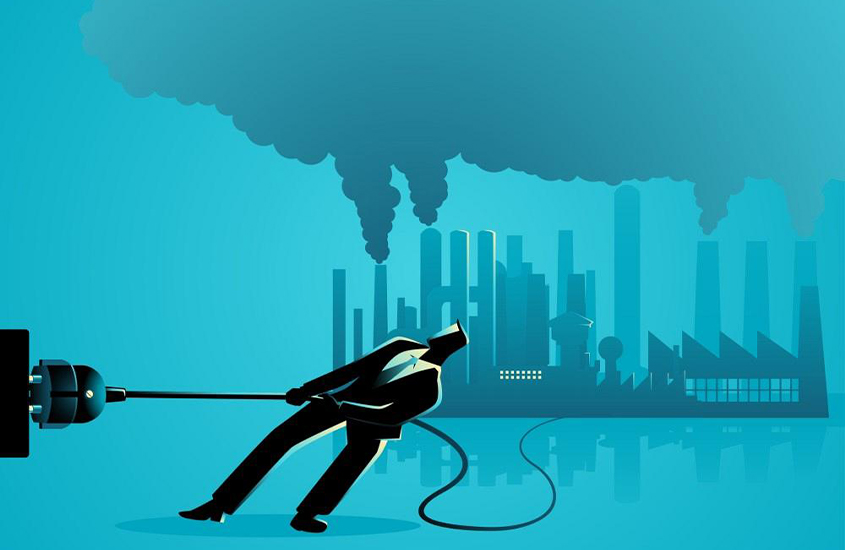
Vietnam’s rapid economic expansion, coupled with the proliferation of industrial parks and supply chains, continues fueling an escalating appetite for energy resources. Enhanced energy efficiency plays a pivotal role in satisfying these surging demands while optimizing the use of finite energy resources, contributing to national energy security, and enabling uninterrupted business operations for enterprises.
6. Social commitment and corporate image
Energy efficiency initiatives exemplify a company’s commitment to environmental and social responsibility. This positive stance promotes an active corporate image within communities and elevates consumer appeal.
According to the Ministry of Industry and Trade, the demand for green products in Vietnam has been growing at an average rate of 15% annually between 2021 and 2023. A remarkable 72% of Vietnamese consumers express a willingness to pay a premium for eco-friendly products, reflecting the rising awareness and concern for environmental protection among the populace. Consequently, energy efficiency initiatives not only improve operational efficiency but also augment brand equity and convey a constructive message to society.
How Businesses Can Improve Energy Efficiency in Manufacturing?
The first and crucial step for businesses to improve energy efficiency in manufacturing is to conduct energy audits. Regular energy audits help identify areas of high energy consumption and provide recommendations for energy-saving measures. This initial assessment lays the foundation for implementing targeted strategies to optimize energy usage. Investing in energy-efficient technologies, such as upgrading machinery, equipment, and production processes, as well as utilizing renewable energy sources like solar and wind power, can significantly reduce energy consumption.
Optimizing production processes is another effective approach. Companies can achieve substantial energy savings through the elimination of unnecessary steps, implementation of lean manufacturing principles, and strategic use of automation. Training and raising awareness among employees through energy-saving programs and fostering an energy-conscious culture within the organization can also encourage behavior change and idea-sharing, leading to improved energy efficiency.
Additionally, businesses can leverage smart energy solutions offered by companies like Vinergy. Vinergy’s cutting-edge solutions offer a comprehensive approach to energy management, combining real-time energy monitoring, automation capabilities, and actionable insights. With Vinergy, you can effortlessly track, control, and optimize your manufacturing’s energy consumption from a single platform, unlocking substantial cost savings and minimizing your environmental footprint. To explore the boundless possibilities of Vinergy’s energy-saving solutions, get in touch with us for a consultation with our experts today!
Jun 22, 2024 | Energy Efficiency
Improving energy efficiency in commercial buildings has become an urgent issue in Vietnam with energy consumption demand rising rapidly. As energy costs account for a significant portion of operational expenses, implementing effective energy-saving solutions will bring considerable economic benefits. Let’s explore 10 ways to improve energy efficiency in commercial buildings in Vietnam in the article below!
State of Energy Waste in Commercial Buildings in Vietnam
The operation of commercial buildings is consuming a large amount of energy, leading to an increase in energy costs in particular and operational costs in general. According to data from Vietnam Electricity (EVN), in recent years, the energy consumption in high-rise buildings in Vietnam accounts for about 35 – 40% of the country’s total energy consumption, higher than the energy consumption of factories. Of which, air conditioning systems account for 40 – 60% of a building’s total energy consumption, lighting systems use about 15 – 20%, office equipment consumes 10 – 15%, and the remaining portion is used by other ancillary equipment. Energy waste not only creates a cost burden but also impacts the environment and energy supply.
According to a United Nations report, CO2 emissions from inefficient energy consumption in commercial buildings reached an unprecedented level of around 10 GtCO2 in 2022, an increase of about 5% compared to 2020 and 2% higher than the previous peak in 2019. This shows the significant impact of inefficient energy consumption in commercial buildings on the global environment.
However, buildings still have great potential for energy savings, especially new buildings constructed according to new energy standards or buildings that have been upgraded to optimize their systems after a period of operation. With the construction of commercial and high-rise residential projects increasing by 6 – 7% annually according to EVN, implementing energy efficiency solutions is crucial to control costs, reduce environmental impact, and ensure sustainable development.
The Importance of Improving Energy Efficiency in Commercial Buildings
Improving energy efficiency plays a crucial role in reducing operational costs and environmental impact of commercial buildings. Decreasing energy consumption allows buildings to achieve significant savings on electricity, fuel, and other utility costs, directly impacting profitability and business efficiency in a positive way. According to the U.S. Environmental Protection Agency, energy-efficient buildings typically use 25-30% less energy than conventional buildings.
Efficient energy use also helps reduce carbon emissions and other pollutants, aligning with sustainable and environmentally friendly development trends. Buildings can enhance their competitive advantage and comply with increasingly stringent environmental regulations by being energy-efficient. Many countries now offer tax incentives or other financial benefits for green, energy-efficient buildings. For example, the United States offers tax deductions for energy-efficient commercial buildings through the Energy Policy Act. Similarly, Canada provides financial incentives like grants and rebates for green buildings through programs like the Green Municipal Fund.
In particular, under The Vietnam Scaling Up Energy Efficiency Project (VSUEE) approved in 2019, industrial enterprises (IEs) and energy service companies (ESCOs) participating in energy efficiency sub-projects will receive a 50% credit guarantee for participating financial institutions (PFIs) in providing loans to the industry. At the same time, it provides funding to build capacity for private enterprises to develop and implement energy efficiency projects.
Moreover, energy-efficient buildings provide a more comfortable and healthy working environment for occupants. Temperature and air quality are better controlled, helping minimize adverse health impacts like headaches and fatigue. Improving indoor environmental quality has been linked to increased employee productivity and performance.
Therefore, developing and implementing solutions to improve energy efficiency should be considered an essential part of the sustainable development and long-term business strategy for investors as well as commercial building management units, especially in Vietnam where energy demand is rapidly increasing.

10 Ways to improve Energy Efficiency in Commercial Buildings in Vietnam
1. Conduct Energy Audits
The U.S. Environmental Protection Agency (EPA) states that around 30% of the energy consumed in commercial buildings is wasted due to various inefficiencies, like faulty electrical wires, incandescent light fixtures, refrigerant leaks, and more. According to data from the Ministry of Construction of Vietnam, approximately 40% of the total energy consumption in an urban area is energy supplied to construction projects, with high-rise buildings having the highest energy consumption index. So, the first step towards improving energy efficiency is to understand where and how energy is being consumed in a building. Professional energy audits can identify areas of inefficiency and provide recommendations for improvement.
At Vinergy, we offer a comprehensive Energy Audit solution to assist enterprises in identifying inefficiencies and unlocking opportunities to enhance energy performance within their commercial buildings. A key capability is mapping power distribution channels and identifying equipment consumption clusters to provide an installation diagram for the strategic placement of monitoring assets. With in-depth analysis of energy usage patterns and building systems, our audits can pinpoint areas with potential for savings and recommend cost-effective efficiency measures tailored to each facility’s unique needs.
2. Upgrade Lighting Systems
Lighting fixtures are an essential necessity in commercial buildings, but they can also contribute to significant energy waste. For building owners and occupants, replacing inefficient incandescent bulbs with LED lights presents an immediate and cost-effective solution to reduce energy consumption and save on utility bills. According to a study by the U.S. Department of Energy, LED lights use at least 75% less energy than conventional incandescent bulbs.
Beyond their energy-saving capabilities, LED lights offer additional advantages. They emit considerably less heat than incandescent bulbs, which can help lower air conditioning costs and reduce cooling loads within the building. LED lights also provide brighter, more uniform illumination, contributing to improved occupant comfort and potentially boosting employee productivity.

3. Optimize HVAC Systems
According to statistics from the Ho Chi Minh City Energy Conservation Center, for office buildings serving as administrative headquarters, the equipment that consumes the most energy is air conditioning, accounting for over 70% of total energy use. Therefore, it can be said that HVAC is one of the highest energy-consuming areas in a building.
According to the International Energy Agency (IEA), optimizing the HVAC system can help save 20% to 40% of the energy used for cooling and heating. Optimizing and properly maintaining the system can lead to significant energy and cost savings, for example by installing high-efficiency heating and cooling systems, such as condensing boilers, heat pumps, or variable refrigerant flow (VRF) systems.
4. Improve Insulation
Poor insulation leads to increased demand for HVAC usage to maintain indoor temperatures. According to research by the Vietnam Energy Institute, proper insulation for walls and roofs can help reduce the need for air conditioning by 20% to 30%, resulting in significant energy savings. The Ministry of Construction estimates that improved insulation measures can help reduce a building’s total energy costs by 5% to 10%. Insulating materials that can help save heating and cooling costs include house wraps and sealed coating. Insulation work in existing buildings is not just for walls; windows, doors, and roofs also need to be sealed to prevent air leakage.
5. Utilize Daylight
Utilizing natural daylight from the sun through proper window design and placement helps reduce the need for artificial lighting and saves energy. Studies have shown that increasing natural light can decrease the demand for artificial lighting by around 16 – 20% (Velux, 2018). According to the Vietnam Green Building Council (VGBC), in most constructions that incorporate natural daylighting systems, the overall energy savings range from 15 – 40%. Furthermore, office high-rises have recorded energy savings from using natural light ranging from 20 – 60%.
6. Buy Energy Certified Equipment
For owners of commercial buildings, transitioning to energy-efficient systems presents an opportunity to dramatically reduce heating and cooling expenditures. The Energy Star certification program, endorsed by the Department of Energy, serves as a reliable guide for identifying trusted, energy-saving equipment and appliances on the market. Spanning from computers to HVAC systems, Energy Star certified products consume between 30% and 65% less energy compared to their non-certified counterparts.
7. Pursue Green Building Certifications
Green building certification programs like LEED and EDGE have stringent standards for energy efficiency and minimizing environmental impact. According to the U.S. Green Building Council, LEED-certified projects divert over 80 million tons of waste away from landfills. The U.S. General Services Administration states that LEED Gold buildings in their portfolio consume 25% less energy and produce 34% fewer greenhouse gas emissions compared to the national average.
While achieving compliance can increase upfront costs for construction and renovations, LEED offers excellent opportunities for long-term cost savings. Utilizing LEED’s energy benchmarks for mechanical systems and energy conservation allows you to recoup your investment within just a few years through reduced utility expenditures.
8. Utilize Renewable Energy Sources
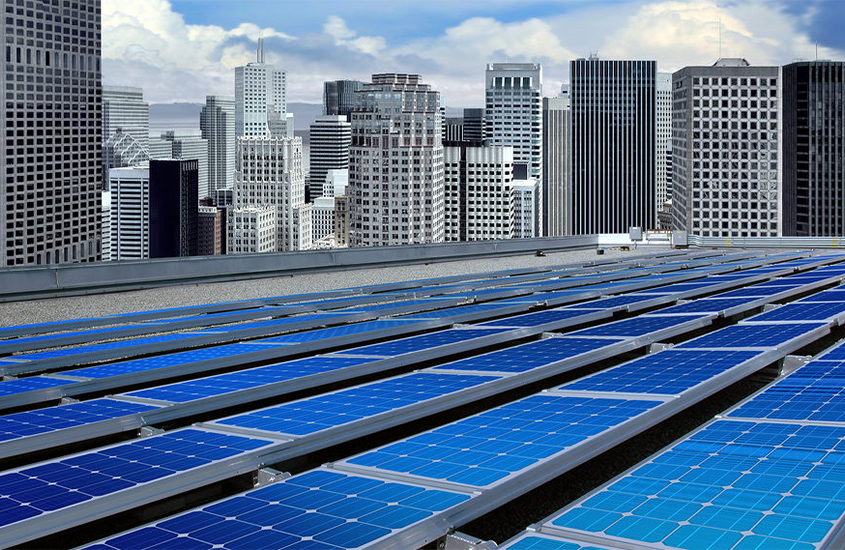
Integrating renewable energy sources such as solar and wind power into a building’s system is an effective solution to reduce dependence on the national grid and traditional fossil fuels. According to energy experts, installing rooftop solar systems can meet a considerable portion of the energy needs of a commercial building. The Vietnam Energy Institute also estimates that small-scale wind turbines can provide a certain amount of electricity when wind conditions are favorable.
In addition to the positive environmental impact of reducing carbon emissions and air pollutants, using renewable energy helps create a sustainable, safe, and reliable energy source for the building’s operations, while also reducing long-term energy costs.
9. Regularly Maintain and Upgrade equipment
Regular maintenance and upgrading of equipment is absolutely necessary. Periodic maintenance of equipment such as air conditioning systems, generators, and lighting fixtures helps ensure they operate efficiently, avoiding energy waste. According to the report “Improving Energy Efficiency in Commercial Buildings in Vietnam” by the Vietnam Energy Institute in 2021, periodic maintenance of air conditioning systems can help save 10 – 15% of energy consumption.
10. Implement Energy Monitoring and Management Systems
For commercial buildings, controlling and optimizing energy usage is a crucial issue to save operational costs while contributing to environmental protection. Implementing an Energy Monitoring System(EMS) is a comprehensive solution that allows you to monitor, control, and optimize energy usage throughout the entire building through automation and intelligent control.
With the support of Vinergy, you will enjoy practical benefits such as the installation of sensors, meters, and real-time energy data analysis software; automated control of air conditioning systems with a team of experts providing strategic consultation on energy-saving optimization; and periodic evaluations of energy efficiency. Contact Vinergy now for a free consultation on the most suitable solution for your building!

May 19, 2024 | Energy Efficiency
Energy efficiency in the Hospitality Industry has become a top priority in recent years as they aim to reduce operating costs, minimise environmental impact, and meet guest expectations for sustainable practices. This trend is primarily motivated by increasing awareness of environmental concerns and a collective aspiration to contribute to sustainability efforts.
Drivers of Energy Efficiency Adoption in Hospitality
The adoption of energy efficiency in hospitality is influenced by several drivers, including:
1. Rising energy emissions
The operations of the hospitality sector frequently have a significant environmental impact, involving considerable energy usage, water consumption, and waste production. According to the Sustainable Hospitality Alliance, hotels alone contribute to around 1% of the world’s carbon dioxide emissions. Hotels accounted for approximately 363 million tons of the 36.3 billion tons of carbon dioxide emitted globally in 2021, roughly equivalent to the annual energy consumption of approximately 45.7 million homes, according to IEA analysis.
In Vietnam, as the demand for hotel services continues to surge, the hospitality industry has emerged as a significant consumer of energy, water, and other natural resources. Transitioning this sector towards environmentally sustainable practices is not merely a strategic business decision or a matter of economic calculations; it is an imperative necessity to protect future generations from the catastrophic consequences of flooding and climate change. Alarming estimates from the Vietnam Ministry of Natural Resources and Environment in 2020 indicate that a staggering 50% of the Mekong Delta region is vulnerable to flooding, while a concerning 17.2% of Ho Chi Minh City’s area faces the risk of inundation. With the hospitality industry contributing a substantial 5% to global CO2 emissions, this sector bears a profound responsibility to implement robust measures that curb global warming and mitigate the escalating climate crisis. Failure to act decisively could have devastating implications for Vietnam’s future.
As awareness about climate change and dwindling resources increases, stakeholders in the hospitality industry are increasingly acknowledging the pressing necessity to embrace sustainable practices. Adopting energy efficiency and eco-friendly practices yields dividends that extend beyond environmental preservation, concurrently unlocking substantial cost-saving opportunities over the long run. By seamlessly integrating strategies such as energy-efficient illumination solutions, water conservation systems, and waste reduction initiatives, hotels can curtail operational expenditures while simultaneously minimising their ecological footprint.
2. Environmental consciousness
Over the years, there has been a growing trend among travellers to choose sustainable hotels and resorts. Travellers are now better informed and discerning, often seeking accommodations that reflect their commitment to environmental preservation.
According to a study conducted by Booking.com, a prominent online travel agency, in 2023 76% of travellers expressed a greater inclination to book a hotel with a green certification. Additionally, the research found that 43% of travellers are willing to pay more for accommodations that prioritise sustainability. This deliberate decision-making underscores a shift towards sustainability that is reshaping the hospitality industry.

3. Regulatory pressures
Investors are increasingly integrating environmental, social, and governance (ESG) criteria into their decision-making processes, prompting businesses to prioritise sustainability efforts.
Furthermore, companies with strong sustainability initiatives are in a better position to navigate regulatory challenges and ensure compliance with laws. The hospitality industry, like many others, is confronted with an increasing wave of environmental regulations and standards aimed at achieving net-zero emissions. Embracing environmentally friendly practices not only aligns the Hospitality Industry with these evolving regulations but also protects it from potential penalties.
Consequently, the Hospitality Sector is embracing energy-efficient technologies and strategies at an accelerating pace to remain competitive and future-proof their operations.
The Influence of Energy Efficiency on Guest Satisfaction
Within the Hospitality Industry, energy efficiency extends far beyond a buzzword; it represents a pivotal element that substantially sways guest satisfaction. When hotels prioritise sustainable practices and channel resources into energy-saving measures, they not only contribute to the mitigation of carbon emissions but also elevate the overall guest experience to new heights.
Implementing energy management systems in hospitality environments guarantees guests a personalised and comfortable experience while minimising unnecessary energy usage. For example, adjusting smart HVAC systems and lighting controls based on occupancy and preferences ensures that rooms maintain optimal temperature and lighting levels at all times. This meticulous attention to detail not only curbs energy consumption within the hospitality realm but also leaves a durable impression on guests. It serves as a catalyst for crafting memorable and sustainable experiences, increasing the likelihood of guests returning or recommending the hotel to others.
At its core, by placing a coordinated emphasis on energy efficiency, hotels can attain a mutually beneficial outcome: catalysing sustainability initiatives while concurrently amplifying guest contentment.

3 Easy Steps to Jumpstart Your Hotel’s Energy Savings
Starting the quest for energy efficiency savings in the hospitality sector doesn’t have to be intimidating. By implementing a few straightforward measures, your hotel can greatly diminish energy usage and set the stage for a more sustainable future. Let’s take a look at the following 3 steps:
- First and foremost, contemplate performing an energy assessment. This step will pinpoint areas of energy wastage and reveal avenues for enhancement. Subsequently, an investment in energy-efficient appliances and lighting can yield significant benefits. For instance, LED lights not only use less energy but also have an extended lifespan, resulting in reduced energy expenses and maintenance.
- Another effective step is to adopt smart technology. For example, an Energy Management System (EMS) can automatically regulate heating, ventilation, air conditioning (HVAC) and lighting according to occupancy levels, significantly reducing energy consumption while maintaining guest comfort. Integrating an Energy Management System in the hospitality sector can also offer real-time data and insights, enabling better-informed decisions regarding energy utilisation.
- Involving your guests and employees in your sustainability initiatives is also a crucial step. Basic initiatives such as promoting the reuse of towels and linens among guests can lead to substantial energy savings in the hospitality sector by decreasing the need for frequent laundry cycles.
Energy Efficiency: An Intelligent Solution in the Hospitality Industry
As we gaze into the future of Hospitality, it becomes evident that sustainability, efficiency, and a guest-centric approach are not merely passing fads but crucial elements that will shape the industry’s landscape. At Vinergy, we recognize that the road to a sustainable future in hospitality is built upon the foundation of Energy Efficiency.
Pioneering energy management in the Hospitality Sector plays a pivotal role in driving this transformative shift. By leveraging smart technologies and its IoT SaaS platform, Vinergy stands ready to accompany you on the journey to monitor and conserve energy consumption, delivering a highly personalized and comfortable experience for guests, all while achieving a substantial reduction in environmental impact.
Vinergy’s platform and services metamorphose a hotel into a more intelligent, eco-friendly and efficient operation, simultaneously enriching the guest experience and augmenting energy efficiency. It goes beyond just conserving energy; it enhances the overall hotel experience. Don’t hesitate to get in touch with us; we’re always here to assist you!
