Aug 4, 2024 | IoT & Automation
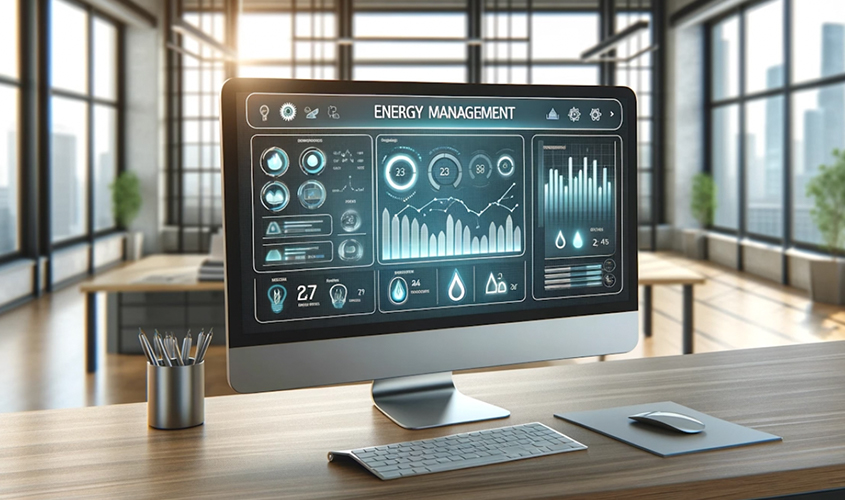
In the realm of modern building management, two systems stand out for their crucial roles: Building Automation Systems (BAS) and Energy Management Systems (EMS). While both contribute significantly to building efficiency and sustainability, they serve distinct purposes and operate in unique ways. Understanding the differences between building automation and energy management systems is essential for facility managers, building owners to optimize their operations. This article delves into the key distinctions between these two systems, exploring their functionalities, objectives, and how they complement each other in creating smarter, more efficient buildings.
What is Building Automation Systems (BAS)?
1. Definition
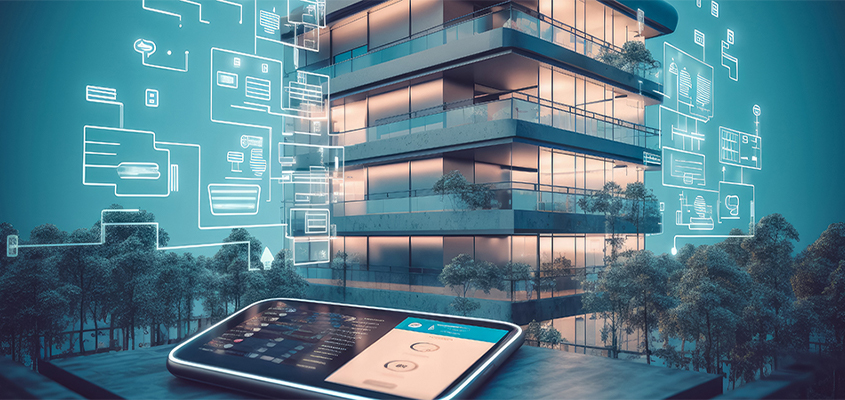
Building Automation Systems (BAS) are centralized, interlinked networks of hardware and software that monitor and control the environment in commercial, industrial, or institutional facilities. These systems manage various building operations including heating, ventilation, and air conditioning (HVAC), lighting, security, and other systems to ensure optimal performance and efficiency.
The main purpose of BAS is to optimize building performance, ensuring a comfortable working and living environment for users, while simultaneously saving energy and operational costs.
2. Benefits
The implementation of a BAS offers numerous advantages for modern buildings:
- Centralized Control: BAS allows for the simultaneous management of multiple building systems from a single platform, simplifying operations and reducing the need for manual interventions.
- Enhanced Monitoring Capabilities: The system provides real-time data on the performance of various building components, enabling quick identification of issues and proactive maintenance.
- Improved Maintenance Scheduling: With access to detailed performance data, maintenance teams can plan and execute upkeep tasks more effectively, potentially extending the lifespan of equipment.
- Automation of Building Systems: BAS enables the automation of routine tasks and adjustments, reducing the workload on facility management staff and ensuring consistent operation.
- Optimized Comfort Control: Through automated adjustments based on predefined parameters, BAS maintains consistent comfort levels throughout the building, enhancing occupant satisfaction.
- Energy Efficiency: The system can optimize energy usage across various building systems, potentially leading to significant cost savings and reduced environmental impact.
- Increased Safety and Security: BAS can integrate with security systems, allowing for better monitoring and quicker response to potential threats or emergencies.

3. Are a BMS and a BAS the Same Thing?
In short, yes. A Building Management System (BMS) and a Building Automation System (BAS) refer to the same concept, with these terms often used interchangeably in the industry. Both describe a distributed control system that integrates multiple building systems, including HVAC, lighting, security and access control, fire safety systems, and elevators. The primary function of a BMS/BAS is to automate certain controls and settings within these systems, helping to optimize building performance, enhance occupant comfort, and improve overall efficiency.
While some industry professionals might have slight preferences for one term over the other, in practice, they denote the same type of system with identical functionalities and purposes. Understanding this equivalence is crucial when discussing building technologies, especially when comparing them to other systems like Energy Management Systems (EMS).
What are Energy Management Systems (EMS)?
1. Definition
Energy Management Systems (EMS) are sophisticated platforms designed to monitor, analyze, and optimize energy consumption and power distribution within buildings or facilities. These specialized software systems are specifically engineered to measure and manage energy usage across a building’s various systems and operations.
EMS technology collects data from multiple sources, including BMS, system equipment, utility meters, and sensors. This comprehensive data collection allows EMS to provide real-time insights into energy usage patterns, trends, and anomalies.
An EMS’s primary function is to monitor, analyze, and optimize energy consumption across a building’s systems and operations. It allows facility managers and energy specialists to centralize the tracking of energy usage, automate energy-saving strategies, and make data-driven decisions to reduce overall energy costs and improve sustainability.
2. Benefits
EMS brings to the table a range of advantages that include:
- Comprehensive Energy Tracking: EMS allows for detailed monitoring and analysis of energy consumption across all building systems, providing a holistic view of energy usage patterns.
- Real-time Data Insights: The system offers immediate access to energy consumption data, enabling quick identification of inefficiencies and anomalies for prompt action.
- Energy Savings Planning: With rich data on energy usage, managers can develop effective energy-saving strategies and measure their impact.
- Energy Consumption Optimization: EMS automatically adjusts energy usage based on actual demand, reducing waste and maximizing efficiency.
- Automated Energy Management: EMS can automatically implement energy-saving strategies based on predefined rules, reducing the workload on facility management staff.
- Improved Environmental Performance: Through reduced energy consumption, EMS significantly decreases the building’s carbon emissions, enhancing sustainability.
- Substantial Cost Savings: The system optimizes energy usage, resulting in lower utility bills and increased profits for building owners.
- Integration with Other Systems: EMS can integrate with other building management systems, allowing for a more holistic approach to building efficiency and performance.
Differences and similarities between Building Automation and Energy Management Systems
1. Similarities
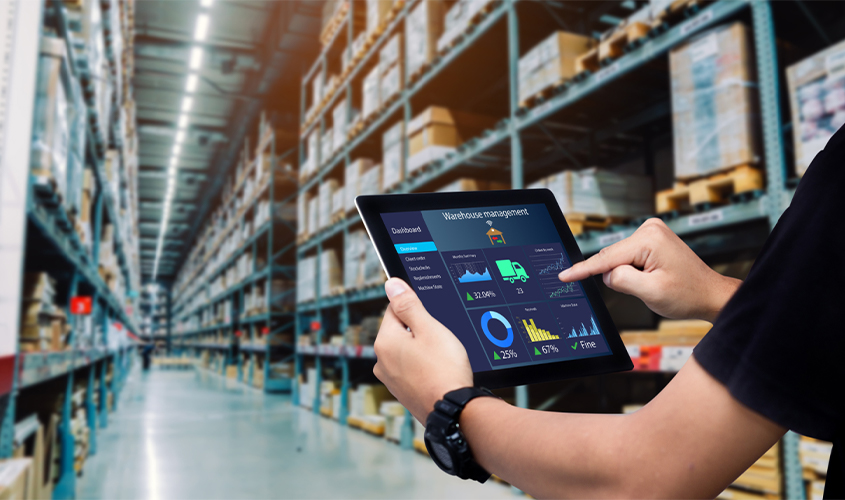
Both systems aim to enhance building performance and efficiency, albeit with different primary focuses. Key similarities include:
- Data Collection: Both BAS and EMS gather and process data from various building systems and sensors, providing valuable insights into building operations.
- Real-time Monitoring: These systems offer real-time monitoring capabilities, allowing facility managers to track building performance and identify issues promptly.
- Automation: Both systems incorporate automation features to optimize building operations without constant manual intervention.
- Sustainability Benefits: Implementation of either system can result in significant energy savings and a reduced environmental impact.
2. Differences between Building Automation and Energy Management Systems
| Aspect |
Building Automation Systems (BAS) |
Energy Management Systems (EMS) |
| Main Function |
Control, Automation (DO, ACT) |
Monitoring, Analysis (PLAN, CHECK) |
| Primary Focus |
Overall building operations and comfort |
Energy consumption and optimization |
| Scope |
Controls multiple building systems (HVAC, lighting, plumbing, security, etc.) |
Primarily focuses on energy-consuming systems |
| Main Purpose |
Keep occupants comfortable and streamline daily operations jobs of engineers and building operators |
Provide visibility and deep insights into energy use, analyze energy consumption patterns to forecast future needs, uncover savings opportunities, and mitigate cost-increase risks. |
| Optimization |
Focuses on equipment efficiency |
Emphasizes overall energy use patterns and strategies |
| Installation |
Often requires cost-intensive retrofits and equipment installations |
Can be standalone or integrated with BAS without invasive installations |
| Cost Implications |
Higher upfront costs for equipment and installation |
Lower implementation costs, focuses on optimization |
| Adaptability |
Less adaptable, focused on preset controls |
More adaptable, can adjust based on analytical insights |
| Impact on Operations |
Automates control but may not provide guidance on optimal operational strategies |
Transforms energy optimization metrics into simple, actionable initiatives |
BAS vs. EMS: Do Buildings Need Both?
As building energy management continues to grow in significance, business owners often find themselves pondering a crucial question: Does my building need both a Building Automation System (BAS) and an Energy Management System (EMS)?
A BAS focuses on centralized management and control of building systems, while an EMS specializes in optimizing energy efficiency. At first glance, these might seem like overlapping functions, but in reality, they complement each other beautifully.
But does every building need both systems? The answer depends on your specific goals and requirements. For instance, if your building is located in a city with carbon drawdown laws, like Ha Noi or Ho Chi Minh City, the combined capabilities of BAS and EMS could be invaluable in meeting stringent energy efficiency targets.
The integration of BAS and EMS, along with other technological aids, creates a powerful toolkit for reducing energy consumption and environmental impact. This approach allows building managers to gain deeper insights into building performance, implement more effective energy-saving strategies, respond quickly to changing conditions, and achieve higher levels of sustainability and operational efficiency.
While not every building may require both systems, their combination offers a comprehensive solution for those seeking to maximize energy efficiency and meet ambitious environmental goals. In an increasingly eco-conscious world, the question might not be whether you need both systems, but rather, can you afford not to have them?
Ultimately, the decision to implement both BAS and EMS should align with your building’s specific needs, environmental commitments, and long-term efficiency goals. As we continue to prioritize sustainable building practices, the integration of these systems may become not just a luxury, but a necessity for forward-thinking business owners and managers.
At Vinergy, we don’t just provide solutions; we partner with our customers throughout the implementation and operation process, ensuring optimal efficiency for each project. To learn more about how Vinergy can help your building achieve optimal energy efficiency through the integration of BMS and EMS, don’t hesitate to get in touch with us!
Jul 10, 2024 | IoT & Automation
What is Internet of Things? This revolutionary concept is transforming the way we interact with our environment, particularly in the realm of energy management. As Vietnam rapidly embraces digital transformation, IoT technologies are playing an increasingly crucial role. Let’s explore the role of IoT in energy management and its applications in Vietnam.
What is the Internet of Things (IoT)?
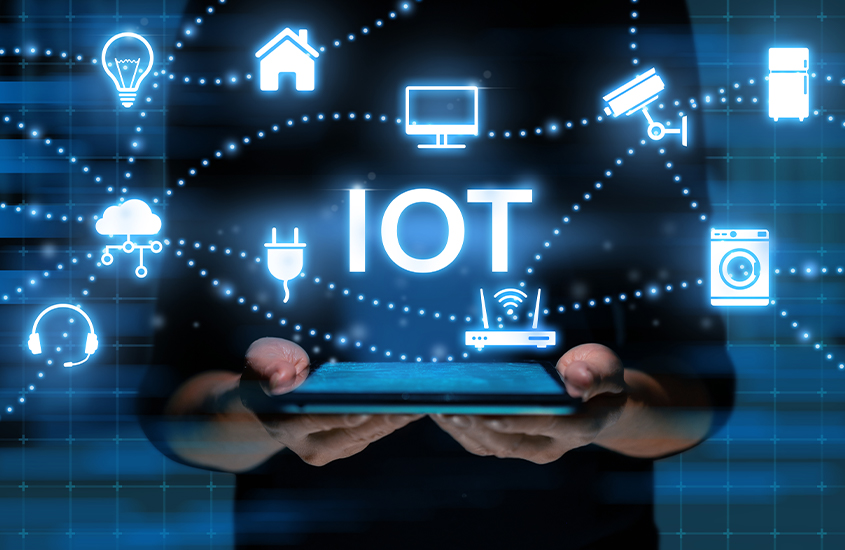
The Internet of Things, commonly known as IoT, refers to the vast network of interconnected devices that communicate and exchange data via the internet. IoT devices are typically embedded with technology such as sensors and software. These “smart” devices span from household appliances like refrigerators and thermostats to sophisticated industrial equipment and autonomous vehicles.
At its core, IoT transforms ordinary items into responsive tools capable of gathering, analyzing, and acting on data without human intervention. Each device is equipped with unique identifiers and the ability to transfer data over a network automatically. For instance, a smart fitness tracker can monitor health metrics and provide personalized recommendations, while an industrial sensor can detect equipment malfunctions and trigger maintenance alerts.
In the business context, IoT technology serves as a powerful tool for monitoring and optimizing operations. Companies deploy IoT devices to track various environmental and operational factors, including temperature fluctuations, humidity levels, air quality metrics, energy usage patterns, and equipment performance. This continuous stream of real-time data allows for in-depth analysis, revealing valuable insights into operational efficiency and potential areas for improvement.
In essence, IoT represents a paradigm shift in how we interact with technology, opening up new possibilities for automation, data-driven decision making, and enhanced user experiences. The continuous exchange of data between devices and the cloud enables real-time insights and more intelligent, responsive systems, revolutionizing both consumer and industrial applications.
How does IoT work?
The Internet of Things operates through a sophisticated ecosystem of interconnected devices and systems. At its core, IoT functionality relies on the following key components:
1. Internet of Things platform
IoT platforms manage device connectivity, typically as software suites or cloud services. These platforms oversee hardware, software, processing capabilities, and application layers. They serve as the central hub for device management and data orchestration. IoT platforms enable seamless integration of various devices and provide tools for data analysis and visualization.
2. Sensors or devices
IoT sensors, often called smart sensors, convert real-world variables into interpretable data. Various types exist, such as temperature sensors detecting heat changes and motion sensors monitoring ultrasonic waves to trigger actions when interrupted.
3. Unique identifiers
Unique identifiers (UIDs) establish each device’s context within the larger network, enabling communication. These can be numeric or alphanumeric strings, like IP addresses, identifying either individual devices (instance identifiers) or device classes (type identifiers).
4. Internet connectivity
IoT devices communicate with one another through networks over the internet. They share sensor data by connecting to an IoT gateway, which functions as a central hub for data transmission. Before sharing, the data may be sent to an edge device for local analysis.
Different technologies like Wi-Fi, Bluetooth, cellular networks, or specialized IoT protocols enable this connectivity. The choice of connectivity method depends on factors such as power consumption, range, and data requirements.
5. Data Processing
Once data reaches the cloud, sophisticated software processes it using advanced analytics. Machine learning and artificial intelligence algorithms are applied to derive insights and inform decision-making. This processing stage transforms raw sensor data into actionable information. The system can identify patterns, predict trends, and generate alerts based on predefined rules or learned behaviors.
6. User Interface
IoT systems typically employ graphical user interfaces (UIs) to facilitate device management and control. These UIs serve as the primary point of interaction between users and their connected devices. For instance, a smartphone app might allow homeowners to effortlessly manage their smart home devices, from adjusting thermostat settings to monitoring security cameras.

7. Artificial intelligence (AI) and machine learning
AI and machine learning enhance the capabilities of IoT systems significantly. Natural Language Processing (NLP) improves user interactions with devices, as seen in virtual assistants like Amazon Alexa. Machine learning algorithms continuously refine the system’s analytical capabilities. These technologies enable IoT devices to learn from data patterns, make predictions, and autonomously adapt their behavior. As AI advances, IoT systems become increasingly intelligent and proactive in their operations.
Benefits of IoT for Businesses
The Internet of Things (IoT) is revolutionizing the business landscape, offering a multitude of advantages:
1. Reduced Costs
IoT devices help businesses streamline operations and increase profitability. From cybersecurity to workplace efficiency, these technologies are making a significant impact on companies’ bottom lines. Maintenance costs can be positively impacted when IoT devices with sensors are used to keep business equipment running at peak efficiency, catching problems before they escalate.
In manufacturing, predictive maintenance can reduce maintenance planning time by 20 – 50%, increase equipment uptime by 10 – 20%, and lower overall maintenance costs by 5 – 10%, a study by Deloitte found. Moreover, 83% of organizations report improved efficiency after introducing IoT technology, according to DataProt.
2. Higher Efficiency and Productivity
IoT boosts business efficiency by automating repetitive tasks and optimizing resource allocation. It can be used to enhance internal and external office communication, resulting in better productivity. In fact, according to a survey conducted by Harvard Business Review, 58% of companies report increased collaboration through IoT devices. Moreover, IoT also allows for optimization of office floor plans and mobilization of company resources for improved workflow.
3. Creating New Business Opportunities
IoT enables companies to collect actionable data, leading to new insights and business models. Advanced analytics, artificial intelligence, and smart utility grids make it easier for businesses to provide the value their customers are seeking. These technologies are not only creating new business models but also redefining traditional industries. For instance, 36% of companies are investigating new business directions thanks to IoT initiatives.

4. Improved Customer Experience
IoT technology has revolutionized customer engagement, with front-end interactions becoming a priority for organizations. Modern customers expect to interact with businesses through various devices, including phones, chatbots, and dedicated apps. Illustrating the shift in consumer perception of IoT, 30% of customers now express complete comfort with businesses using IoT for proactive service – a notable increase from just a few years prior. This shift has prompted businesses to use new technology combined with IoT to better serve their customers.
5. Increased Mobility and Agility
IoT enables employees to work from virtually any location, offering businesses increased flexibility. This technology supports the trend of hiring remote employees in “work from anywhere” positions, potentially reducing office lease costs. However, it also necessitates a strong focus on securing IoT endpoints to maintain communication safety.
43% of businesses implementing IoT strategies report enhanced business agility and improved operational processes. However, security remains a concern, with more 42% of businesses identifying difficulty in managing security as a primary challenge in IoT implementation.
The Role IoT in Energy Management
The Internet of Things (IoT) revolutionizes energy management in Vietnam, offering significant potential for improved efficiency and sustainability. IoT creates impact through applications such as smart metering, grid optimization, and building energy management. IoT-connected smart meters provide real-time data on energy consumption, allowing both consumers and utilities to monitor usage patterns. The collected information helps identify peak demand periods and opportunities for conservation, leading to more efficient energy use.
In the industrial sector, IoT sensors monitor equipment performance and energy consumption, enabling predictive maintenance and process optimization to reduce energy waste. The achieved results not only save costs but also contribute to Vietnam’s environmental protection efforts.
IoT also facilitates the integration of renewable energy sources such as solar and wind into the power grid. Providing real-time data on generation and demand allows for more efficient energy distribution, supporting the country’s sustainable development goals. Leveraging IoT in energy management helps Vietnam work towards its goals of energy security, efficiency, and sustainability while supporting economic growth and environmental protection.
At the forefront of this trend, Vinergy has developed the IoT SAAS energy monitoring & saving platform to monitor and optimize energy usage, delivering high efficiency and significant savings for businesses. Don’t hesitate to get in touch with us for further consultation!
Internet of Things Applications in Vietnam
The Vietnam Internet of Things (IoT) market is primarily driven by increasing demand for smart devices, expanding government initiatives, and growing need for data analytics. The IoT market in Vietnam is expected to show steady growth in the coming years.
According to Statista, the industry’s revenue is projected to reach $5,117 million by 2029, with a compound annual growth rate (CAGR) of 13.23% during the period 2024-2029. This growth reflects the increasing adoption of IoT technologies across various sectors in Vietnam.
IoT applications are being widely implemented in numerous fields throughout the country. Some notable examples of IoT applications in Vietnam include smart city projects such as the Ho Chi Minh City Security Operating Center ($10 million, 2021 – 2025), Da Nang Intelligent Operations Center ($7.5 million, 2020 – 2025), and Da Nang Intelligent Transportation System Project ($23 million, 2020 – 2025). Furthermore, IoT is being utilized in smart home enhancements, energy resource management, environmental monitoring, traffic flow regulation, and water quality control, among other diverse applications.
GSMA Intelligence reports indicate that the number of IoT devices in Vietnam is expected to surge from 21 million in 2018 to approximately 96 million by the end of 2025. The Ministry of Information and Communications states that the IoT market in Vietnam surpassed $2 billion in 2019 and is anticipated to reach $7 billion by 2025. The following are some typical IoT applications in Vietnam:
1. Banking Sector
Vietnam’s banking industry is embracing IoT technology to drive digital transformation. As banks complete their digital overhauls, they’re establishing a more resilient and flexible IT framework to support the growing demand for IoT-based solutions across the country. This enhanced infrastructure is crucial for processing the massive data streams produced by IoT devices and facilitating smooth inter-system connectivity. The ongoing expansion of fintech services and digital banking practices has further accelerated the adoption of IoT technologies in Vietnam’s financial sector.
2. Smart Wearables
The rise of smart wearables is propelling IoT expansion in Vietnam. These gadgets, equipped with sensors and connectivity, gather and relay data on users’ health, fitness, and daily routines. Their user-friendly nature and multi-functionality have made them increasingly popular among Vietnamese consumers. As adoption rates climb, so does the need for robust IoT infrastructure to handle data collection and analysis, driving wider IoT implementation across the country. Fitness trackers and smartwatches, offering features like heart rate monitoring and sleep analysis, are particularly in demand. This trend reflects a growing health awareness among Vietnamese consumers, opening up new avenues for IoT-powered health monitoring solutions.
3. Healthcare Sector
The healthcare industry is a key force behind Vietnam’s expanding IoT market. The integration of IoT and medical technologies is creating new opportunities to enhance patient care, optimize healthcare processes, and improve overall health outcomes. IoT-enabled medical devices are empowering healthcare providers to remotely monitor patients’ health status. This capability is especially beneficial for individuals managing chronic conditions and those in rural or isolated areas where access to medical facilities is limited.

4. Government Initiative
Vietnam’s leadership is taking decisive action to position the country for Industry 4.0, promoting IoT adoption while addressing workforce development challenges. The Ericsson regional president emphasizes 5G’s role in industrial digitalization and the company’s partnership with Vietnam in this endeavor. The Politburo’s 2019 Resolution No.52-NQ/TW outlines plans to accelerate Industry 4.0 adoption, showcasing the government’s strategic vision for sustainable economic growth through digital transformation.
Vietnam is prioritizing 5G development, recognizing that advanced mobile broadband networks are critical national infrastructure. These networks are seen as essential platforms for driving Industry 4.0 initiatives and supporting widespread digitalization across various sectors of the economy.
